
Influencer Marketing: How to Plan and Measure a Creator Campaign
dopweb
Updated November 4, 2026
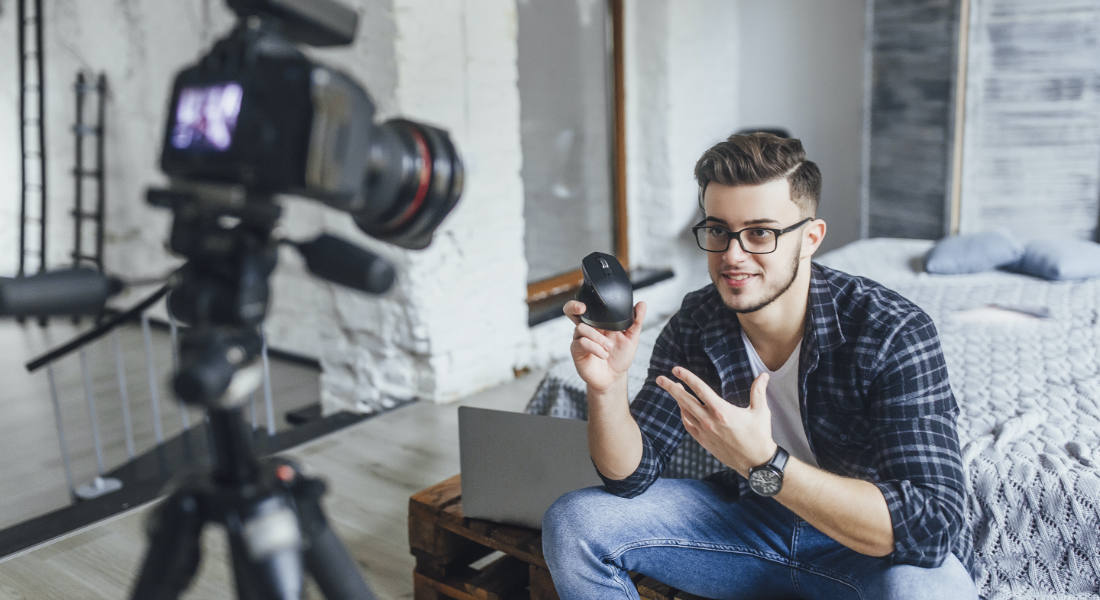
If you sell hiking boots, a creator who shows how a pair fits after a muddy trail can answer more buying questions than a large account posting a product photo. Choose the creator by what the audience needs to see and how you will recognize a useful result.
Check audience fit before discussing reach
Read recent comments and look for questions about use, price, and availability. Ask for audience geography and typical results across several comparable posts. One viral clip is a poor planning baseline. Match the creator to your marketing strategy, the brand, and where customers actually spend time on social media.
Write a brief that leaves room for honest experience
Specify the audience, deliverables, verified product facts, and claims to avoid. Share the sample before drafting a testimonial. Agree in writing on editing, approvals, paid reuse, platforms, duration, and who responds if a product fact changes. Separate the creator’s production fee from the cost of advertising rights. Consider content reuse and video discovery at briefing time.
Make the sponsorship clear where people see it
For US campaigns, the FTC advises disclosing a material connection clearly and prominently with the endorsement. Payment and free products can both matter. For a video, plan the disclosure in the video itself; a buried description may be missed. Review the actual placement and language before it goes live. FTC guidance for social media influencers.
Track results and learn from the comments
Use a distinct tagged destination and an offer code where appropriate. Link to a specific product or website rather than automatically sending every visitor to the homepage. Compare orders, returns, qualified leads, and the full campaign cost. A code can be shared outside the creator’s audience, so treat it as one signal. Send recurring issues to the reputation team or contact Dopweb to plan the next test.